
How Much Is the Electric Car Grant in the UK? Your 2026 Guide to EV Savings
Fuel prices have been all over the world recently, and if you've been wondering whether now is finally the right time to make the switch to electric, you're not alone. Thousands of UK drivers are asking the same question every month. And one of the first things people want to know is: is there still a government electric car grant in the UK, and how much can I actually save?
The honest answer is a little more nuanced than a single figure, but the good news is that there is still meaningful financial support available in 2026. Let us walk you through exactly what's on offer.
Does the UK Electric Car Grant Still Exist in 2026?
The original plug-in car grant, which once gave buyers up to £1,500 off a new electric vehicle, was scrapped by the government back in 2022. So if you're searching for that specific scheme, it no longer applies to private car buyers.
However, that does not mean the government has abandoned EV incentives altogether, far from it. There are several other schemes and benefits that, when combined, can add up to thousands of pounds in savings. The key is knowing where to look.
What Government Support Is Available for Electric Cars in 2026?
Home Charger Grants
The Electric Vehicle Homecharge Scheme (EVHS) is one of the most practical grants available right now. It provides up to £350 towards the cost of installing a home EV charger. This applies to people living in flats or rented accommodation, while homeowners in houses can also benefit in certain circumstances.
Having a home charger transforms the ownership experience. Charging overnight on a standard home electricity tariff typically costs around £3 to £5 for a full charge on most family-sized EVs, compared to £70 to £100 to fill a petrol tank. That alone is a game changer.
Workplace Charging Scheme
If you use your car for work, your employer can apply for the Workplace Charging Scheme (WCS), which covers up to 75% of the purchase and installation costs of EV charge points, capped at £350 per socket. This is a business-facing grant, but it benefits employees directly and makes workplace charging far more accessible.
Road Tax Benefits
One of the most straightforward electric vehicle incentives in the UK is road tax. All fully electric cars registered before April 2025 pay zero road tax. Cars registered from April 2025 onward now attract a small annual charge, but it remains significantly lower than what petrol and diesel drivers pay, especially in the first year.
For context, a petrol car emitting 150g/km of CO2 could cost its owner over £580 in first-year road tax. An equivalent electric car? A fraction of that.
Company Car Tax and Benefit-in-Kind Savings
If you drive a company car, switching to electric could be one of the smartest financial decisions you make. The Benefit-in-Kind (BiK) rate for fully electric vehicles is just 3% in 2026, compared to rates of 25% to 37% for petrol and diesel company cars.
For a higher-rate taxpayer driving a £40,000 company car, switching from petrol to electric could save over £3,000 per year in tax. That is a substantial figure that many drivers overlook.
Salary Sacrifice Schemes
Many employers in the UK now offer salary sacrifice schemes for electric cars. This means you lease a new EV through your employer before tax is applied to your salary, saving on income tax and National Insurance contributions in the process.
For a basic-rate taxpayer, this can reduce the effective monthly cost of a brand new electric car by 30% to 40% compared to a standard lease. For higher-rate taxpayers, the savings can be even more significant.
Who Qualifies for EV Grants and How Do You Apply?
Eligibility varies depending on which scheme you are looking at:
The EVHS home charger grant is available to people in rented accommodation (including flats and houses) and to homeowners who receive certain benefits or live in a flat. You apply through an approved installer, who handles the paperwork with the Office for Zero Emission Vehicles (OZEV) on your behalf.
The Workplace Charging Scheme is open to UK businesses, charities, and public sector organisations. Applications are submitted online via the OZEV portal before installation begins.
Company car BiK rates and salary sacrifice are arranged through your employer's payroll and fleet teams. If your company does not yet offer this, it is worth raising with your HR department as many businesses are now actively looking to introduce these schemes.
How Do Electric Car Running Costs Compare to Petrol and Diesel?
This is where the real electric car savings in the UK start to become clear. Let us look at a realistic comparison.
A typical petrol car travelling 10,000 miles per year might use around 800 litres of fuel. At current average UK petrol prices, that works out to roughly £1,100 to £1,200 per year just in fuel.
An equivalent electric car covering the same distance, charging primarily at home on a standard tariff, would typically cost between £350 and £500 per year in electricity. If you use an off-peak overnight tariff, that figure drops even further.
Then factor in servicing. Electric vehicles have fewer moving parts, no oil changes, and less brake wear due to regenerative braking. Servicing costs are generally 30% to 40% lower than on a comparable petrol car over a five-year period.
Over three to five years, the total cost of ownership for an electric vehicle increasingly stacks up in favour of going electric, particularly as used electric cars UK buyers can access have become far more affordable.
Affordable Used Electric Cars Available in the UK Right Now
You do not need to buy new to benefit from electric driving. The used electric car market in the UK has grown enormously, and there are some genuinely excellent value options available in 2026.
Here are a few popular models worth considering:
Nissan Leaf (2019 to 2022 models) is typically available from around £10,000 to £14,000. A practical, well-proven family hatchback with good real-world range for everyday use.
Renault Zoe is another strong option for city and commuter driving, often available from £9,000 upwards for later models with a 245-mile WLTP range.
Hyundai Kona Electric offers a longer range and more SUV-style practicality. Used examples from 2020 onward are available from around £16,000 to £22,000 and are genuinely excellent all-round cars.
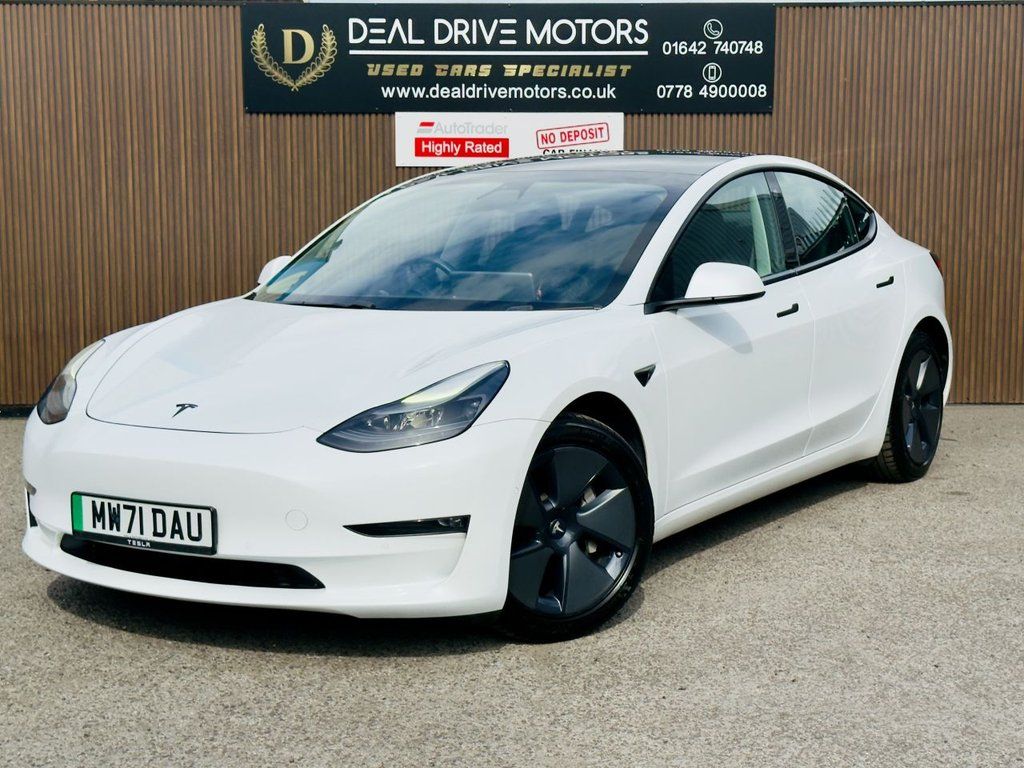
Tesla Model 3 has also become far more accessible on the used market, with 2020 to 2021 examples available from around £20,000 to £26,000 depending on specification.
Common Misconceptions About Electric Car Costs
"Charging is expensive." This is outdated thinking. Home charging overnight is cheap. Even public rapid chargers, while more expensive, are still considerably less per mile than filling with petrol.
"EVs are only for people with driveways." More and more on-street charging is available through local councils, and workplace charging is expanding rapidly. It is becoming genuinely workable for flat dwellers.
"Battery replacement will cost a fortune." Modern EV batteries are lasting far longer than early sceptics predicted. Most manufacturers offer 8-year, 100,000-mile battery warranties on new cars, and data consistently shows battery degradation is slower than initially feared.
"There's no help available anymore." As this guide shows, the EV grants UK buyers can access in 2026 are broader than many people realise. They just require a little digging.
Frequently Asked Questions
Is there still an electric car grant in the UK in 2026? The original plug-in car grant for private buyers ended in 2022. However, grants for home chargers, workplace charging, salary sacrifice schemes, and significant company car tax savings are all still available.
How much is the home charger grant? Up to £350 towards the cost of purchasing and installing a home EV chargepoint, available through the government's Electric Vehicle Homecharge Scheme.
Are electric cars cheaper to run than petrol cars? In most cases, yes. Home electricity charging typically costs around £350 to £500 per year for 10,000 miles, compared to over £1,100 in petrol. Servicing costs are also generally lower.
Can I get a government grant for a used electric car? The home charger grant applies regardless of whether you buy new or used. Other incentives, like salary sacrifice, are typically for new or nearly-new vehicles arranged through an employer.
What is the Benefit-in-Kind rate for electric cars in 2026? The BiK rate for fully electric cars is 3% in 2026, making them by far the most tax-efficient choice for company car drivers.
Ready to Make the Switch? We Can Help.
If you've made it this far, you're clearly serious about exploring electric car ownership, and that's exactly the kind of customer we love working with. Whether you're after a practical used EV to get you into electric driving for less, want advice on salary sacrifice schemes, or you're ready to book a test drive and see what all the fuss is about in person, our team is here to make it straightforward.
We stock a range of used electric cars across all budgets, and our team can guide you through every available incentive to make sure you're getting the best possible deal.
Browse our current electric car stock, apply for finance online, or simply get in touch with us at DealDrive Motors today. A switch to electric might be closer than you think.