
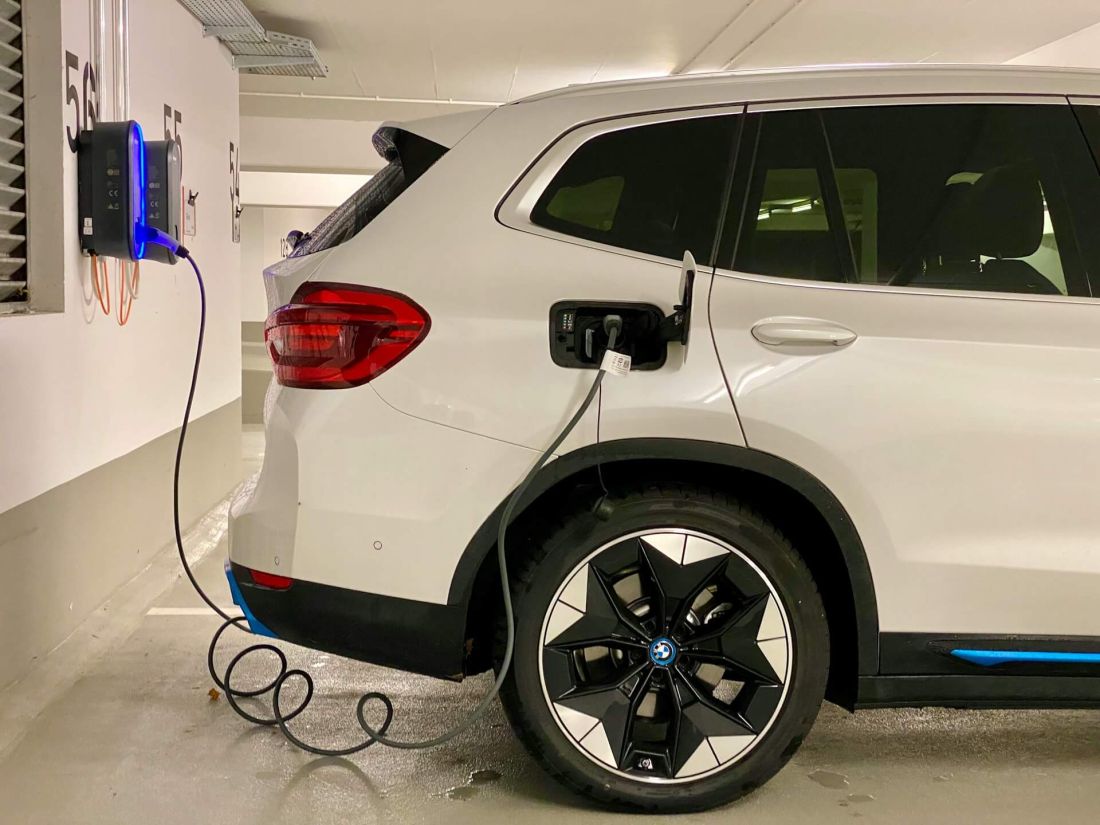
Should You Buy a Used Electric Car in 2026? | Deal Drive Motors
Battery Life, Charging Costs & the Best Deals in the UK
Electric cars are no longer something you only see on motorway adverts or in tech magazines. They're everywhere — and more importantly, they're now genuinely affordable on the used market. If you've been wondering whether buying a used electric car in 2026 is a smart move, you're not alone. Thousands of UK drivers are asking the same question.
The good news? The used EV market has matured significantly. Prices have dropped, choice has exploded, and the charging network has grown faster than ever. But there are still things you need to know before you hand over your money — and that's exactly what this guide covers.
Whether you're a first-time EV buyer or just curious about switching from petrol, we've broken everything down in plain English. No jargon, no fluff — just honest, practical advice to help you make the right call.
The Used EV Market in 2026: What You Need to Know
The UK's used electric car market has hit a turning point. According to SMMT data, used battery electric vehicle sales surged by 45.7% in 2025 to a record 274,815 transactions — making used EVs the fastest-selling fuel type in the country. And with average used EV prices now sitting around £20,000 (down from roughly £39,000 just three years ago), the opportunity for buyers has never been better.
Entry-level models like the Nissan Leaf and Renault Zoe can be found for under £14,000, and in some cases, well under £10,000 for older examples. Premium models from Tesla and Hyundai have seen massive depreciation, meaning you can now get a nearly-new experience for a fraction of the original cost.
Analysts expect prices to stabilise in 2026 rather than continue falling sharply, as the supply of three-to-five-year-old EVs begins to tighten. That means now could be an ideal window to buy before prices edge back up.
Understanding Used EV Battery Life — The Honest Truth
The number one concern most buyers have about used electric cars is the battery. Will it hold its charge? How long will it last? What if it needs replacing? These are completely fair questions — and the answers are more reassuring than you might expect.
How Much Does a Battery Degrade?
EV batteries do lose a small amount of capacity over time — that's simply how lithium-ion technology works. However, the rate of degradation is much slower than most people fear. Research from Geotab found that at eight years old, the average EV still retains around 81.6% of its original battery capacity. For everyday driving, that's perfectly manageable.
In practical terms, if a car originally offered 200 miles of range, it might be down to 160–170 miles after several years of use. For most UK drivers covering typical daily distances, that's still more than enough.
What Speeds Up Battery Degradation?
A few habits can accelerate battery wear. Here's what to look out for when assessing a used EV:
• Frequent use of rapid chargers — these charge quickly but generate more heat, which can stress the battery over time
• Regularly charging to 100% or depleting to 0% — the healthiest range is between 20% and 80%
• Extreme temperatures — very hot or very cold climates put extra strain on cells
• High mileage — more cycles mean slightly more wear, though modern batteries handle this well
What Is a Battery Health Report — and Why Do You Need One?
Before buying any used EV, always ask for a battery health report (also called a State of Health, or SoH, report). This tells you exactly how much capacity the battery has retained compared to when it was new. As a general rule:
• Above 85% SoH — excellent condition, buy with confidence
• 75–85% SoH — still solid, especially if the price reflects it
• Below 75% SoH — proceed with caution; factor in potential future costs
Battery Warranties: What's Still Covered?
Most manufacturers cover EV batteries with a separate warranty of up to 8 years or 100,000 miles — and many used cars will still have time left on these warranties. For example:
• Nissan Leaf — 8 years / 100,000 miles battery warranty
• Renault Zoe — 8 years / 100,000 miles
• Hyundai Kona Electric — 8 years / 125,000 miles
• Tesla Model 3 — 8 years / 100,000 miles (Long Range) or 120,000 miles (Performance)
Always check how much of the original warranty remains. A car still covered by its manufacturer's battery warranty gives you real peace of mind — and can save you significant money if anything does go wrong.
EV Charging Cost UK: How Much Will You Actually Pay?
Running cost is one of the biggest selling points of electric cars — and the numbers are genuinely impressive when you charge at home. Here's a straightforward breakdown of what to expect.
Charging at Home
Home charging is by far the cheapest way to run an EV. At the current Ofgem standard rate of around 24.5p per kWh, charging a typical EV costs roughly 7p per mile. Switch to a smart overnight tariff like Octopus Go (around 7.5p per kWh overnight), and that drops to as little as 2–3p per mile.
For the average UK driver covering 7,400 miles per year, home charging on a standard tariff costs around £515 annually. On an off-peak EV tariff, this could fall below £200. Compare that to a petrol car averaging 40 mpg at current fuel prices — you're looking at around £1,500 per year in fuel alone. The savings are real and consistent.
Public Charging Costs
Public charging is more expensive and should ideally be a supplement, not your primary charging method. Based on February 2026 Zapmap data:
• Standard / fast public chargers: around 54p per kWh — approximately 16p per mile
• Rapid / ultra-rapid chargers (50kW+): around 76p per kWh — approximately 23p per mile
At rapid rates, public charging actually costs slightly more per mile than petrol, so if you can't charge at home, factor this into your decision. The ideal scenario for most buyers is to charge overnight at home and use public chargers only for longer journeys.
The UK Charging Network in 2026
The public charging network has grown dramatically. As of early 2026, there are over 88,500 charge points across more than 45,000 UK locations — up 19% in a single year. The government has pledged £500 million to ensure drivers are never more than 30 miles from a rapid charger. Range anxiety is becoming less of a barrier every month.
Best Used Electric Cars UK: Popular Models Worth Considering
Here are four of the most popular and reliable used EVs you'll find on the UK market right now — along with what makes each one a compelling choice.
1. Nissan Leaf — The Safe, Sensible Choice
The Leaf is one of the most proven EVs on the road, with a long track record of reliability. You can pick up older models for well under £10,000, while cleaner post-2019 examples with the larger 40kWh battery offer around 150–170 real-world miles. It's ideal for city driving, commuting, and anyone making their first move into electric. Parts are widely available, and servicing is straightforward.
2. Tesla Model 3 — The Premium Used Buy
Despite Tesla's recent brand challenges, the Model 3 remains one of the best all-around EVs money can buy. Even standard-range 2019 examples comfortably achieve 250+ miles, while Long Range versions approach 350 miles. Access to Tesla's Supercharger network makes long-distance travel stress-free. Prices start from around £12,500–£15,000 for older examples — remarkable value for what is still a genuinely impressive car.
3. Renault Zoe — Cheap Electric Cars UK at Their Best
If you're on a tight budget, the Zoe is hard to beat. Post-2019 models with the 52kWh battery offer around 245 real-world miles and can be found for under £10,000. Earlier models are available for under £5,000, though these have a more limited range. One important note: make sure the battery is fully owned rather than leased — some early Zoes came with battery rental arrangements that complicate ownership.
4. Hyundai Kona Electric — The Family-Friendly Option
The Kona Electric was a game-changer when it launched, offering genuine long-range capability at a sensible price. The 64kWh version can deliver close to 300 real-world miles — a figure that still stacks up well today. Used examples in good condition are widely available, and Hyundai's eight-year battery warranty on many models makes this a particularly confident choice for family buyers.
Running Costs vs Petrol and Diesel: Is It Worth It?
Let's put the numbers side by side. Based on the average UK driver covering around 10,000 miles per year:
Cost Category | Used EV (home charging) | Average Petrol Car |
Annual fuel/charging cost | ~£515–£700 | ~£1,500–£1,800 |
Road tax (VED) | £195/year (from April 2025) | £195–£600+/year |
Servicing | Lower — fewer moving parts | Higher — oil, filters, brakes |
Congestion Charge (London) | Exempt (ULEZ-free) | Varies — may incur charges |
Note: EVs have been subject to standard VED road tax since April 2025, at £195 per year for most models. This levelled the playing field slightly, but the fuel and servicing savings still make EVs considerably cheaper to run for most UK drivers.
Pros and Cons of Buying a Used Electric Car
The Pros
• Significantly lower running costs — especially if you can charge at home overnight
• Reduced servicing bills — no oil changes, simpler brakes (regenerative braking reduces wear), fewer mechanical components
• Great value depreciation — used EVs have dropped dramatically in price, giving you more car for your money
• Remaining manufacturer warranties — many used EVs still have years of battery warranty remaining
• Cleaner driving — zero tailpipe emissions means cleaner air and a greener footprint
• ULEZ and Congestion Charge exempt — a significant saving for London drivers
• Smoother, quieter driving experience — EVs are noticeably more relaxing to drive
The Cons
• Home charging requires a driveway or off-street parking — not suitable for everyone
• Older models may have limited range — early Leafs and Zoes can feel restrictive on longer trips
• Public rapid charging can cost more per mile than petrol — relying solely on public chargers narrows the financial advantage
• Battery replacement can be expensive if it falls outside warranty — always check SoH and remaining coverage
• Technology moves fast — a 2019 EV may feel noticeably dated compared to 2024 models
Common Buyer Concerns — Answered Honestly
What About Range Anxiety?
Range anxiety is real, but it's also largely overestimated. Most UK drivers cover well under 100 miles per day, and even an older EV with a degraded battery can handle that comfortably. The real key is planning: know your car's real-world range, not just the official figure, and work out where you'd charge on longer trips before you need to.
What If the Battery Needs Replacing?
Battery replacement is expensive — potentially £5,000–£10,000 for some models — but it's also quite rare before the warranty period ends. If you buy a used EV that still has a manufacturer battery warranty remaining and a healthy SoH report, you're well protected. The risk lies mainly with very old, high-mileage models that are no longer covered.
Will a Used EV Hold Its Value?
Resale values have stabilised compared to the dramatic drops seen between 2022 and 2024. The market is maturing, and well-maintained EVs from reputable brands are holding their value more reliably. Choosing a popular model (like the Tesla Model 3 or Hyundai Kona) rather than an obscure or discontinued one will help protect your investment.
What Are UK-Specific Considerations?
A few things are worth flagging for UK buyers specifically:
• Home charger installation — grants of up to £350 are available through the Office for Zero Emission Vehicles (OZEV) for eligible properties
• Insurance — EV insurance has become more competitive, though premiums can still be higher than petrol equivalents; shop around
• The 2035 petrol and diesel new car ban — buying a used EV now positions you well ahead of this transition
• Smart tariffs — providers like Octopus Energy offer excellent overnight EV tariffs that dramatically cut charging costs
Top Tips for Buying a Used Electric Car in the UK
• Always request a battery health (SoH) report before buying — any reputable dealer should be able to provide one
• Check how much manufacturer battery warranty remains on the specific vehicle
• Look up real-world range figures for the model and year on owner forums — official figures are often optimistic
• Find out the car's charging history — lots of rapid charging may have accelerated battery wear
• Think about where you'd charge at home — if you don't have off-street parking, factor in the cost of public charging
• Compare insurance quotes before committing — EV premiums vary widely between providers
• Consider a pre-purchase inspection if buying privately, or buy from a dealer who offers a warranty
Conclusion: Are Used Electric Cars Worth It in 2026?
The honest answer is yes — for most UK buyers, a used electric car in 2026 represents excellent value. Prices have never been more accessible, the charging network has never been more capable, and the running cost savings are real and measurable.
The caveats are straightforward: check the battery health, understand your charging options, and choose a popular model with remaining warranty. Do those things, and you're likely to end up with a car that's cheaper to run, easier to maintain, and more pleasant to drive than whatever you're replacing.
The market is moving fast — supply is expected to tighten in 2026 as the pipeline of affordable three-to-five-year-old EVs starts to shrink. If you've been sitting on the fence, now is a genuinely good time to act.
Ready to Find Your Perfect Used EV?
Browse our latest stock of quality used electric cars at Deal Drive Motors. Every car is carefully checked, honestly described, and priced fairly. Our friendly team is on hand to answer any questions about EV ownership — from charging advice to battery health checks. Visit dealdrivemotors.co.uk to explore our current inventory, or give us a call, and we'll help you find the right car for your needs and budget.
Frequently Asked Questions
Q: Are used electric cars worth buying in the UK in 2026? | |||||||
Yes, for most UK buyers, they represent excellent value. Used EV prices have dropped significantly — average prices are now around £20,000, with entry-level models available for under £10,000. Combined with lower running costs, reduced servicing bills, and a growing charging network, the case for buying used is strong. Just ensure you check the battery health report and any remaining warranty before purchasing. |
Q: How long do used EV batteries actually last? | |||||||
Research shows that at eight years old, the average EV battery still retains around 81.6% of its original capacity. For most drivers, this means a perfectly usable real-world range. Battery degradation is much slower than many people fear, especially on well-maintained cars that weren't routinely rapid-charged. Always ask for a State of Health (SoH) report — look for 80% or above for confidence. |
Q: How much does it cost to charge an electric car at home in the UK? | |||||||
At the current standard electricity rate of around 24.5p per kWh, charging at home costs roughly 7p per mile. Switch to a smart off-peak tariff like Octopus Go, and this drops to as little as 2–3p per mile. For the average UK driver doing 7,400 miles per year, home charging costs around £515 annually on a standard tariff — compared to roughly £1,500 for a petrol car. |
Q: What is the best used electric car to buy in the UK right now? | |||||||
It depends on your budget and needs. The Nissan Leaf is ideal for city driving and offers great value for money. The Tesla Model 3 is the best all-rounder for range and technology. The Renault Zoe is one of the cheapest electric cars in the UK on the used market. The Hyundai Kona Electric offers the best balance of range and practicality for families. Check dealdrivemotors.co.uk for our current stock. |
Q: Do I need to worry about range anxiety with a used EV? | |||||||
Less than you might think. Most UK drivers cover well under 100 miles per day, and even older EVs handle this comfortably. The public charging network now has over 88,500 charge points across the UK, up 19% in a single year. The key is knowing your car's real-world range (not just the official figure) and planning for longer trips. Home charging overnight eliminates most range concerns for daily driving. |